By focusing on activities wherein, even if we fail, we still benefit in some way, we cannot lose.
This means involving ourselves in tasks, projects, and relationships that benefit us simply by our having participated in them.
In other words, if the experience itself is rewarding in some way that is of greater value than the resources we expend, there is simply no downside for us.
This is not selfish. It is purely practical. We should look for ways to win even if we fail.
If you see every problem that arises as new and unique, you will always be reactive and to be reactive is to be behind. In combat, to be behind is to fail and to fail is to die.
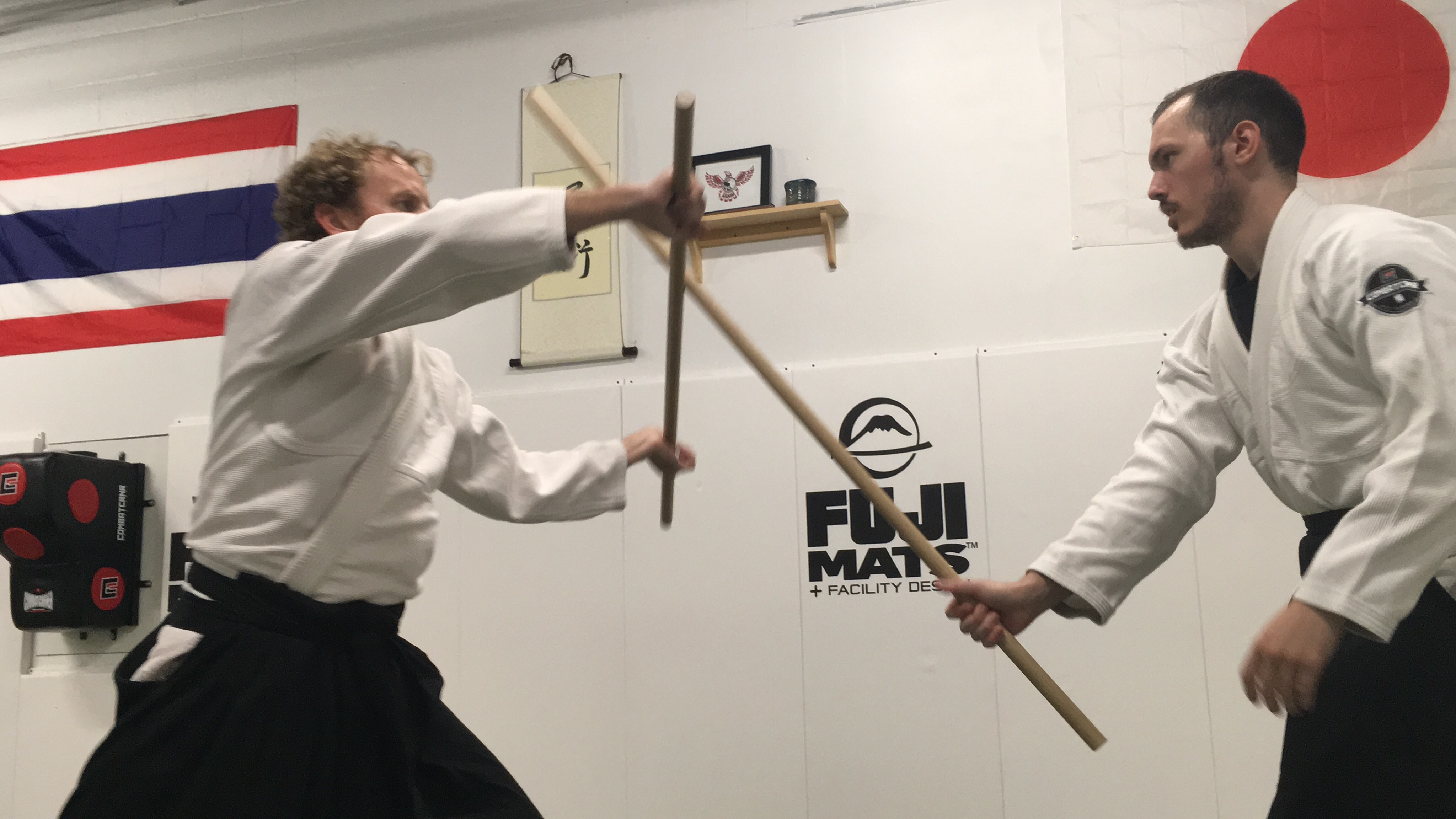
A kata in traditional Japanese martial arts is a set of pattern drills intended to teach specific lessons in spacing, physical/mental attitude, and power generation.
It is highly likely that the problems and challenges we face from day to day are going to become greater and more complex over time. At some point, if we want to be successful, we have to do something to get ahead of these problems. This means identifying patterns and creating systems for dealing with those patterns.
When we are overwhelmed by all of the challenges coming at us every day, it can appear as if each problem is unique. If we are able to step back and look for similarities in all of these seemingly disparate issues, we may notice patterns emerging in the chaos.
There are really many fewer problems than we tend to think exist. These problems simply have a multitude of shapes, names, and faces. Instead of looking at the superficial symptom, look for, identify, and label patterns. Once patterns are recognized, we can begin to systematize solutions for those patterns.
Systems for addressing patterns give us time and room to breathe and think about the true, and much more rare, outliers and anomalies. Without systems, every problem is new and every issue is an emergency. This is no way to live.
“As in life, so too it is in budo. As in budo, so too it is in life.”
 Meditations on God